Relaxing
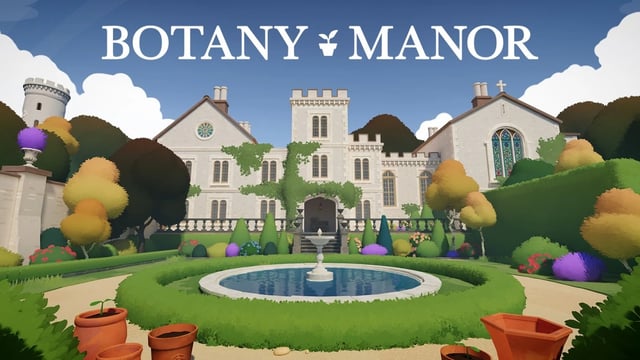
Botany Manor is a first-person puzzle game set in a Victorian English manor. It's 1890, and you play as botanist Arabella Greene, who is working to finish her botanical research book 'Forgotten Flora'. Explore a complete historical English manor and its grounds, researching how to grow rare plant specimens from seed. There are many rooms and gardens to discover, all set inside a beautiful countryside surrounding. The manor is filled with mysterious clues for you to discover, including books, posters, letters and fascinating Victorian contraptions. The plants you grow are fantastical, but still inspired by real phenomena in nature, so some of them require you to think outside the box. Using what's available to you in the manor, you must create the ideal conditions for each plant. Room by room, you learn more about the life and career of Arabella, and the challenges she faced as a woman navigating her scientific career. Botany Manor offers a relaxing and peaceful environment, feel free to stop and smell the roses.
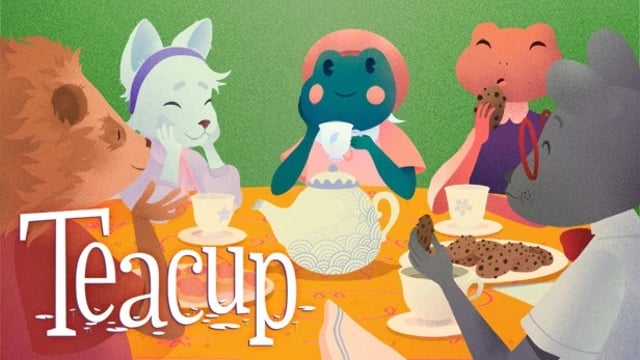
Teacup is a short and wholesome narrative adventure game with a focus on exploration and non-linear progression. You play as the titular Teacup, a shy and introverted young frog who loves drinking tea and reading. The day before she is to host a tea party at her house, she realizes she is completely out of tea, and thus must venture into the woods around her to find the herbs she needs to restock her pantry. You are free to tackle the list of ingredients Teacup must gather in any order you wish. Find your own path through the world of Little Pond. During your adventure you will meet the charming inhabitants of the forest. Some are talkative, some are grumpy, but all of them will lend you an ear on your adventure. Most of the animals you meet will be glad to help Teacup… in exchange for a small favor or some help. Organize a (oddly shaped) market stall, win an underwater race and more!
Adventure · Cute · Exploration
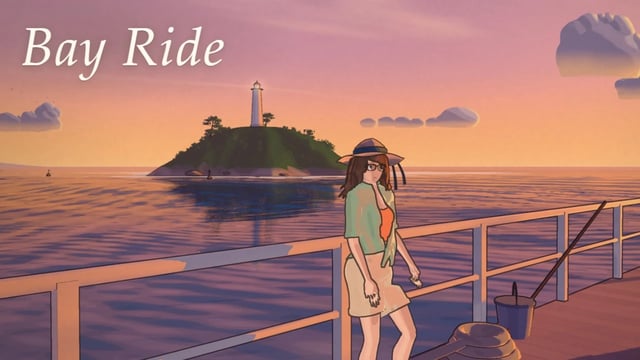
A summer evening in a small painted seaside bay. Walk the timber pier and the beach, then take a wooden skiff out to the lighthouse island while the day runs from morning to a moonlit night. Nothing to win, just the ride. The sea, sky, town, trees, birds, every sound and the piano score are generated in code at load time, under an ink and paint filter. Made with Claude in Cursor. Needs a desktop GPU, and the first load can take up to a minute while shaders compile.

You are a translucent slime the size of a small animal, and the planet under you is covered in things bigger than you are. Roll over the grass and swallow it. Then the flowers, then the fence, then the sheep that was ignoring you a minute ago. Every bite makes you heavier, and every kilogram of mass moves the edge of what you can eat a little further out. There is nothing to fail. No timers, no enemies, no currency to manage. A building too large to swallow simply pushes back and bends you around it, until it does not. The pleasure is watching the scale of the world turn over: the tree that filled your screen becomes a snack, the car becomes a crumb, the skyscraper becomes the next goal. Clear one planet and the galaxy map opens the next, each with its own look, its own skyline and its own ladder of things to devour. Hats, trails and skins are yours to collect along the way, purely so your slime looks the way you want while it eats a world. How to play: hold the left mouse button and drag where you want to roll, or use WASD and the arrows. On a phone, touch the screen and drag; the slime follows your finger. Everything else is automatic.
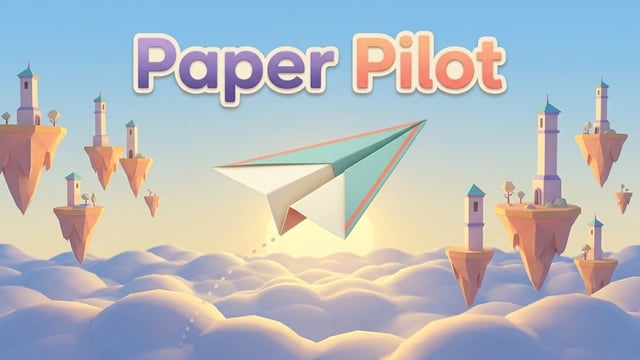
Pull back, let go, and glide. Paper Pilot is a calm flying game about a folded paper plane crossing a pastel sky sanctuary. Unique stages across different realms: Dawn Lagoon, Cloud Sea, Dusk Peaks, Lantern Night, and more. Ride warm currents, thread rings, dodge gusts and light paper lanterns. Three plane folds to earn: the swift Dart, the floaty Glider and the steady Heavy. Land on floating islands for up to three stars per course, then chase your best score. Play with a mouse and keyboard or on your phone.
Arcade · Casual · Singleplayer
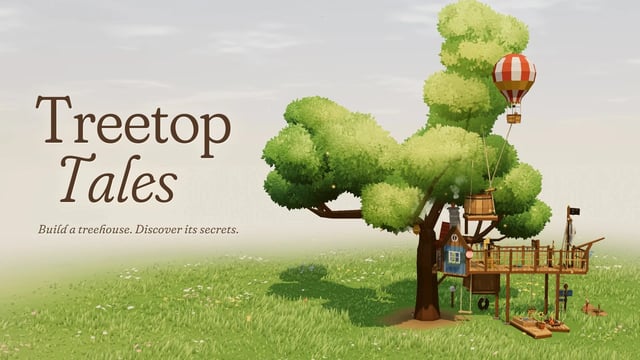
Build a treehouse in a giant tree, one block at a time, and discover the secrets it hides. Plant a tree, then place a block. That's the only thing to do — Treetop Tales does the rest. Decks grow railings, rooms get roofs and windows, thin walkways become rope bridges, and a staircase of blocks turns into a slide. Every shape hides a surprise. A lone tower becomes a cardboard rocket ship. A long pier becomes a pirate ship. Paint the grass blue for a paddling pool with rubber ducks, yellow for a sandy beach, red for flower beds. Build a hut on stilts and hens move in, with a fox watching from behind the trunk. There are 119 things to discover, from castles and catapults to zip lines, owls, glow-worms, birthday parties and fireworks. Each one gets a page in your discovery journal. Watch your tree grow from a seed to its own little tune. Turn day to dusk and see the lanterns glow. Keep a whole grove of trees, each with its own treehouse. No timers, no goals, no fail states. Just a cosy toy for making something lovely. Free to play: the oak, every building piece, and 114 of the 119 discoveries. The Grove Pack ($4.99) adds four more kinds of tree and orchard surprises, and helps a small indie dev make more cosy games. Plays in your browser on desktop and phones.

Low Tide is a living impasto painting you can play. Every wave, sailboat and beachgoer is thick palette-knife paint, and you're the tiny beachcomber in the straw hat. Comb the wet sand for the shells, starfish and bottles the foam leaves behind, then carry them home to your camp to bank them. The fuller your bucket, the bigger the multiplier, but if the foam catches you, the sea takes it all back. The tide keeps rising, big sets flood the beach, and a thief gull swoops in for anything left lying in the paint. Dash into a breaking wave to ride it along the coast on a board. Walk off the edge of the beach into a rocky cove with a lighthouse, a fishing harbor, and a seaside funfair where the chair-o-plane flings you out over the surf. Swim past the break to rest on the rock islands, but watch for shark fins. Play with WASD or the arrow keys and Space to dash, or with touch controls on your phone.
Arcade · Casual · Singleplayer

Capy Hop is a cozy one-finger hopping game. Drag back, aim, and let go to send your capybara to the next lily pad. A gentle wave rolls in from behind, so keep moving. Pick up friends along the way. Birds, snails, finches, and mice hop onto your back and stack up into a wobbly tower, up to eight high. The bigger your stack, the more every meter scores. But a sloppy landing knocks the top friend off, and the taller the tower, the cleaner you have to land. Every run earns lilies. Spend them on hats, from a straw hat to a little crown, on new fur colors, and on new friends to carry. Each friend has its own trick: a snail is heavy but pays double, a finch flaps back on after its first fall, and a mouse sees farther ahead. There is always something to aim for. Three goals are picked from how you actually play, so they stay within reach as you get better. Finishing goals raises your pond rank, with 30 ranks to climb, each with its own title and a lily reward. Feats in the Pond guide give you bigger one-run challenges, and master feats test the best players. Rare visitors turn up too: a golden carp, a dragonfly, a frog, a sleepy turtle, a dandelion puff, a duck family, a firefly swarm, and a rainbow. Catch one and it leaves a gift that changes your pond for every run after. Find all eight, then hunt for their golden forms. Features: One-finger controls that work on phone, tablet, and desktop A friends stack that turns every run into a risk: play it safe or build it high A score that rewards carrying more friends further Hats, fur colors, and friends to unlock with lilies Goals made from your own runs, 30 pond ranks, and feats to master Eight visitors to find, each with a gift, plus golden forms Power-ups: Scope, Slow wave, and Shield Cozy music and a sky that turns from afternoon to dusk as you go
Arcade · Casual · Singleplayer
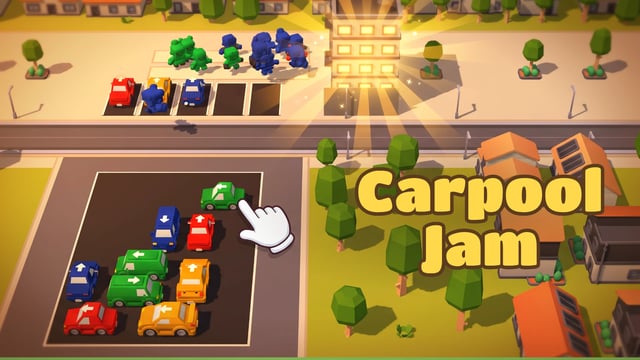
Clear the jam, fill the cars, reopen Main Street. Carpool Jam is a relaxing car parking puzzle with a colorful twist. The lot is jammed bumper to bumper and a queue of passengers is waiting on the sidewalk. Every car can only drive the way its arrow points, so pick the right order: tap a car with a clear path and it rolls out to a waiting bay, where passengers of the same color hop in. A full car drives off and lights up one more window of the closed shop next door. Fill every car and the shop reopens. Finish all the shops on a street and the whole road opens up before you move on to the next one. Only five waiting bays, so think ahead. Stuck? Retry for free, or use Undo and +1 Slot to get out of a tight spot. Controls: click or tap a car to drive it out. Z = Undo.
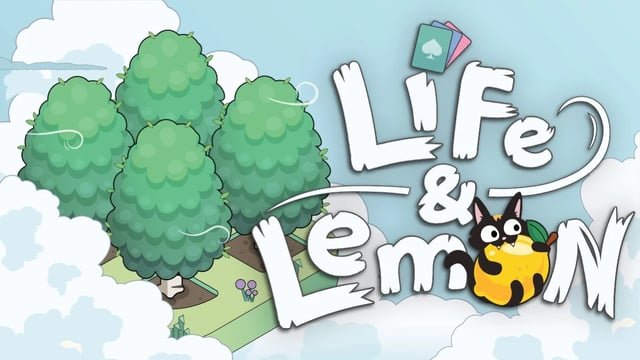
Life & Lemon is a cozy fruit farming card game where you learn how to run an orchard, grow fruits, discover new species, master advance techniques and make new friends across a lush, colorful world!
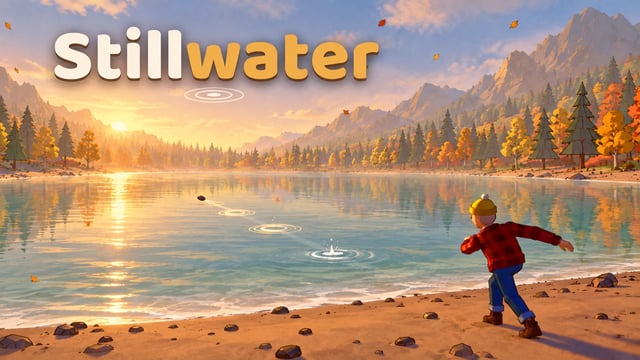
Stillwater: a cozy stone-skipping game Find a flat stone, tilt it just right, and send it dancing across a quiet autumn lake. Stillwater is a calm, hand-crafted little game about one of the oldest pleasures there is: skipping stones. You wander an Alaskan forest lake at golden morning light, crunch across the gravel beach, and hunt for the perfect skipper. Then you step to the water's edge and see how far you can make it hop. Easy to pick up, deep to master Every throw comes down to a few things real stone-skippers swear by: The stone. Flat and thin as a cookie skips best. Chunky stones dig in and sink. Every stone on the beach is different, and each one gets a stat card showing its diameter, thickness, weight and flatness. The tilt. Angle the front edge up about 20°. Too flat and it digs in; too steep and it drags. The throw. Keep it low and shallow. Steep lobs just go "plop". The power. The meter charges and then swings back down. Release inside the bright sweet spot for a bonus. The spin. While you charge, your arm pumps back and forth. Let go just as the ring flashes for a big flick of spin that keeps the stone steady. Nail all five and watch it skim twenty-plus times, ending in a fast "pitty-pat" run before it slips under. Real skipping physics Under the cozy look is a proper physics model, based on published research on how skipping stones actually work. The stone is simulated as a spinning, tilted disc: water pushes back on the part that touches the surface, spin keeps it stable like a top, and speed bleeds away with every kiss of the water. Good technique is rewarded the way it would be at a real lake, so practice genuinely makes you better. Three ways to play Training: Old Amos, a fisherman who has skipped stones on this lake for forty years, walks you through the basics in five friendly steps, with a dotted guide showing your throw's first arc. Challenges: seven goals that unlock one after another, including Ten Hops, reaching the Red Buoy, Ring Toss, Fifteen, Lily Pad Hops, a gusty Windy Morning, and Glass Water, where the lake is dead calm and you go for 20 skips. Free Play: no targets, just the lake. Chase your personal bests for skips, distance and score. Scores count your skips, distance and "perfect" contacts, where the stone hits the water at almost exactly the ideal angle. String together good throws for a streak multiplier. Your bests, challenge progress and settings are saved automatically. A little world to sink into A low-poly autumn valley: orange and gold aspens, dark pines, misty mountains, and a lake that mirrors it all. Hand-drawn ink outlines and a warm, painterly finish. Leaves drifting down and landing on the water. Every skip leaves ripples and splashes, and slow motion kicks in on the first touch. Footprints in the gravel and splashes when you wade into the shallows. An old dock and a canoe pulled up on the shore. Fully procedural sound: wind in the trees, lapping water, footsteps and the satisfying "plink" of every skip. Controls (keyboard & mouse, gamepad supported) WASD to move (Shift to run), mouse to look E to pick up or swap a stone Hold right mouse to aim Scroll wheel or Q/E to tilt the stone Hold left mouse to charge, release to throw Esc to pause On a gamepad: left stick to move, right stick to look, A to pick up, LT to aim, LB/RB to tilt, and hold RT to charge. Plays right in your browser No download, no install. Stillwater runs in modern desktop browsers using WebGPU, and falls back to WebGL2 automatically. Graphics quality presets (Low / Medium / High) help it run smoothly on a wide range of machines. Grab a flat one. The lake is waiting.
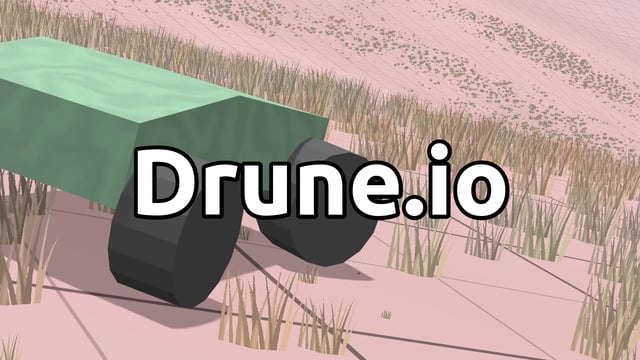
Relax while driving across grassy dunes at thrilling speeds in this minimalist physics-based driving game.
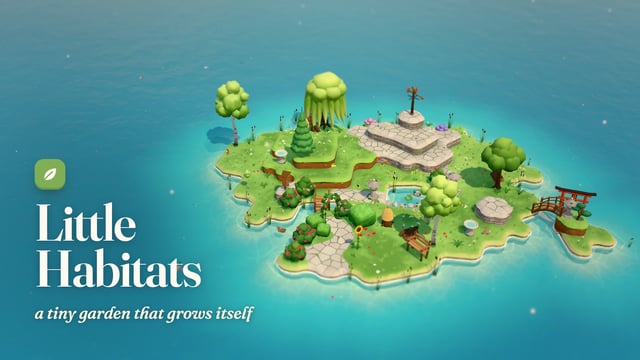
Shape a little island one corner at a time, sow a few seeds, and see who moves in. Plants choose where they grow, garden features appear on their own, and butterflies, bees, frogs, ducks and hedgehogs arrive once the garden suits them. Build the right shapes and secret landmarks appear: a lighthouse, a windmill, a torii shrine on a tiny islet, a steaming hot spring and many more. Bring three together and they become a Wonder with its own festival, from candlelit paper boats on summer nights to fireworks over the autumn harvest. On the rarest nights, spirits made of light come to visit. Four seasons, a day and night cycle, a journal to fill, and share links so friends can wander your island and hang a friendship lantern for you. No goals, no timers: just a small, calm place that keeps growing.
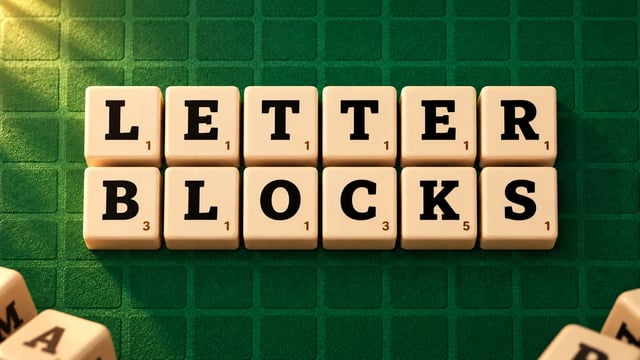
Roll twelve letter dice and arrange every tile into one connected crossword, where every line of two or more tiles has to be a real word of three letters or more. Each roll is guaranteed to have a solution, and everyone gets the same roll in the Daily Challenge, so you can compare scores and see how other players solved it. Long words, heavy letters and quick solves earn more points, and Classic mode has endless new rolls to climb the leaderboards, earn achievements and challenge friends to beat your exact roll.
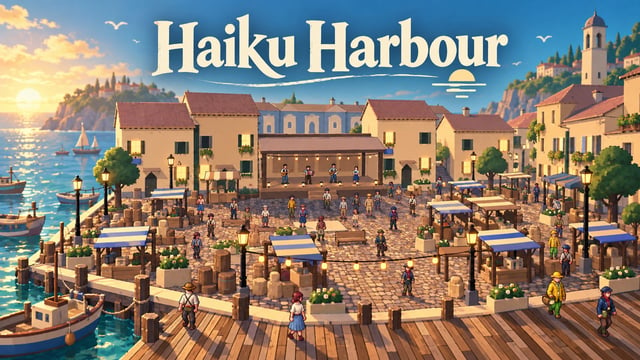
A little world to wander. Step into a sunlit harbour filled with colourful townsfolk, striped market stalls and boats on shimmering water. Pick a character, stroll along the wooden quays, explore the square and stop by the band. Turn the camera, take a closer look, or pull back and enjoy the whole miniature world. Haiku Harbour is a small, evolving browser-game experiment made by chongdashu with Claude Sonnet Haiku 5.5. Follow the making of the game: X — https://x.com/chongdashu Game vibe coding — https://youtube.com/@AIOriented Make game-ready sprites — https://spriterrific.com
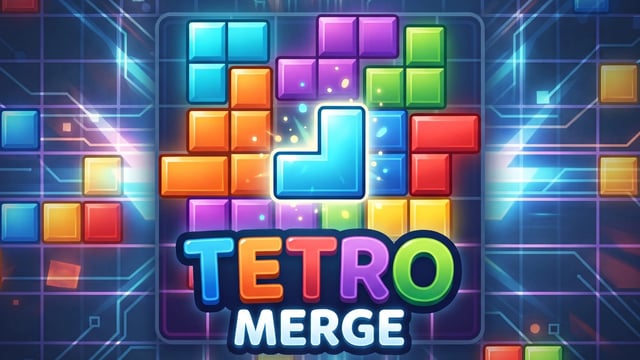
Tetro Merge is a physics based merge puzzle game where Tetromino blocks come to life. You’ll drop Tetrominoes of all shapes classic, extended, and brand new originals. When two matching pieces touch, they merge into a bigger, more complex block. Master the bounce, plan your stacks, and build powerful combos as the board slowly fills up. Will you manage your space wisely… or let the blocks overflow? A perfect blend of strategy, physics, and classic Tetris nostalgia. Move the block using mouse or drag, and drop the block by click or release.
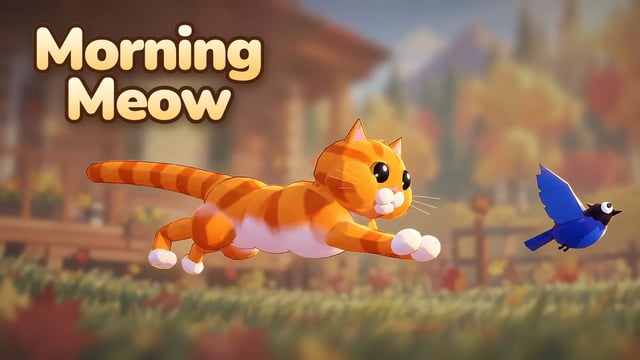
Roam a stylized 3D autumn landscape as a cat, holding and modulating your meows with pitch and vowels to wake the human.
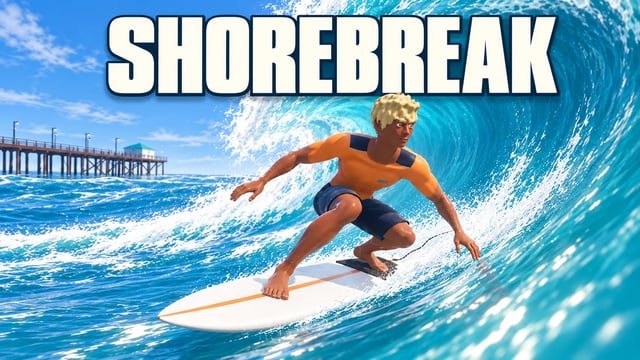
Shorebreak is a surf game you play in the browser. Paddle out at a reef break with a pier, a headland and a crew of locals, read the sets as they roll in, and fight for the waves you want. Every wave is simulated as it peels, so speed comes from how you ride it: drop down the face to build speed, pump off your front foot, set your rail for a deep carve, then stall on your tail to tuck into the barrel. Hold Space up the face and launch off the lip to spin, tweak and grab airs, then catch the lean on landing to ride away. Lefts, rights, A-frames and closeouts, from small days to heavy swell Perfect wave mode: the same wave, at the size you choose, over and over, for practice Carves, layback snaps, tail blowouts, airs and barrels, all scored A lineup with rules: priority goes to whoever is deepest, and the locals remember if you drop in Customise your rider and board Follow, free and first-person cameras Controls: WASD to paddle and steer, Space to pop up and launch, Q/E to grab, R to customise, P for autopilot. Keyboard and mouse.
Sports · Simulation · 3D
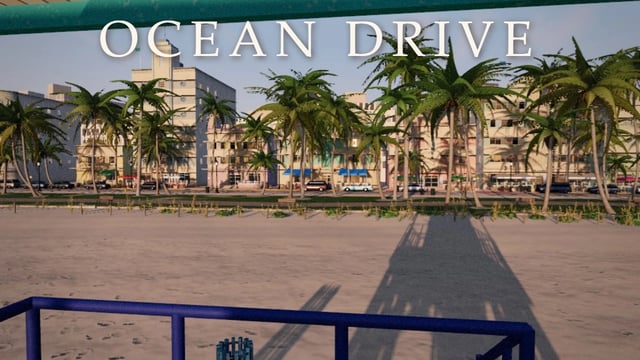
Miami Beach at sunrise. Walk the Art Deco strip on Ocean Drive while the pastel hotels light up gold, palms throw long shadows and the surf runs in around your feet. Get into any car on the street, the lifeguard ATV or a beach cruiser and drive it anywhere: down the drive, across the park lawn and straight into the sea. A sandbox with nothing to win. The hotels, palms, sky, ocean and every sound are generated in code. Made with AI agents (Claude) in Cursor. Best on a desktop GPU; also runs on phones at a lower quality tier.
Open World · Driving · Sandbox
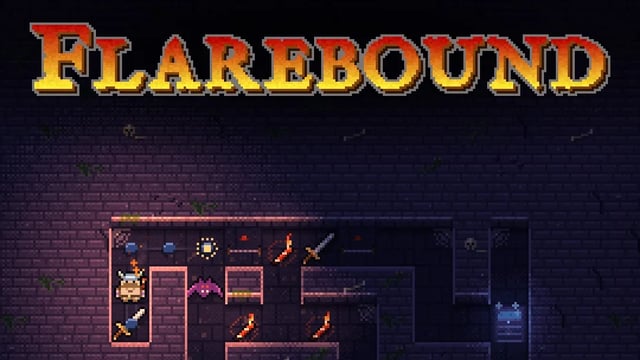
Tiny dungeon puzzle game. One flare. Ten steps. Somewhere below the camp, a forgotten dungeon is waiting in the dark. Draw your route through each room, press Go, and watch your explorer follow it, step by step. Your flare burns for exactly ten steps. Reach the exit, or a spare flare, before the light runs out. Each quest adds a new danger: crumbling floors, flooded halls, hunting shades, skeletons, arrow traps, spreading lava and even echoes of yourself... Fight back with everything you find: spare flares, a sword, a shield, levers to throw and crates to push. Pure puzzle. No timers, no luck. Instant retries. One button to reset. A cosy camp that grows with every quest you clear.

Can you power a tiny town... sustainably? Eco Power Towns is a thoughtful strategy puzzle where every placement matters. Generate clean energy with solar panels, windmills, biomass plants and tidal generators, all while managing your limited resources. Research upgrades, read the weather and optimize your layout to reach the energy goal and light up every cozy home. 50 handcrafted levels of increasing challenge No text at all: the whole game is icon-driven and intuitive Forests, swamps, hills, mountains, rocky ground and coastlines, each with their own rules Sunny, windy and rainy days that change what each building produces Research upgrades: windmills on mountains, solar roofs and floating solar Hints when you're stuck, plus one-step undo so you can experiment freely Achievements, a leaderboard and cloud saves, so your progress follows you Peaceful lo-fi music and a clean, minimalist art style No ads, no tracking Made by a solo developer with a lot of care and love. I hope Eco Power Towns brings you a little joy, a little challenge, and a lot of cozy energy.

A little game of steady hands. Slide, tilt, and guide a loose nut along a wobbly wire home to its robot. Hold the nut, drag it along the wire, and tilt it through every hill and dip without touching the rail. Dock it into the robot's socket to finish the fix. Six short courses teach one thing at a time: holding steady, tilting through bends, and reading the camera. Then the Workshop turns it up with rolling hills, tighter bores, and a three-crest finale. Three stars for a clean run. Every touch of the wire costs a star. Six courses across two chapters; each finish unlocks the next. Mouse, keyboard, or touch: drag to move, wheel or Q/E to tilt, right-drag to orbit. Resume any run exactly where you left it. Best stars are kept. Built with Rust + WebAssembly, WebGPU rendering, and Blender models. Needs a WebGPU browser: a recent Chrome, Edge, or Safari on a supported device.
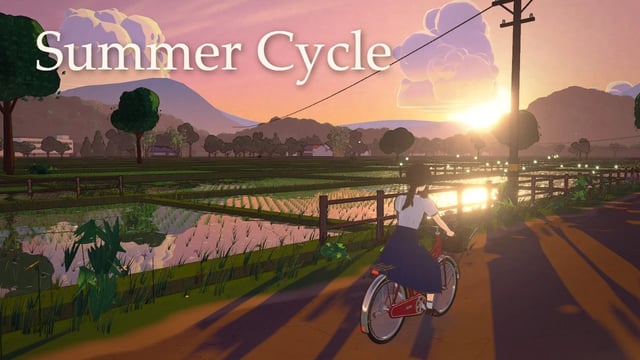
A bike ride down a Japanese country road on a late-summer afternoon, drawn like a hand-painted anime background. Ride past flooded rice paddies, old wooden shops and sagging power lines, hop off and walk, or just keep pedaling while the sun goes down. No score and nothing to win. Every mesh, texture, shop sign and sound is generated in code. Made with Claude in Cursor. Best on a desktop GPU. W to pedal, F to hop off and walk, V for first person.
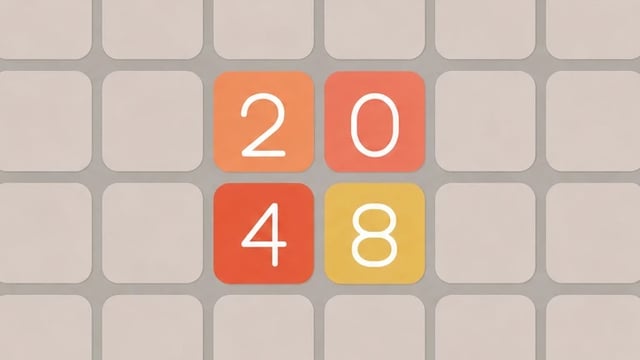
2048 is a free, open-source puzzle game created in 2014 by a 19-year-old Italian web developer named Gabriele Cirulli, who built it over a single weekend and published it on GitHub under the MIT License. It went on to consume roughly four million human lives in its first week. Not because it's complicated — it's the opposite of complicated — but because your brain will not let you stop. Here's the deal. You've got a 4×4 grid. Two tiles are sitting on it, each showing the number 2. You swipe in a direction — up, down, left, right — and every tile on the board slides that way until it hits a wall or another tile. If two tiles with the same number collide, they merge into one tile worth their sum. Two 2s become a 4. Two 4s become an 8. Two 8s become a 16. After every swipe, a new tile (usually a 2, occasionally a 4) pops up in a random empty space. Your goal is to keep combining tiles until you forge the mythical 2048 tile. The problem is that every move spawns a new tile, the grid is only 16 squares, and the moment you can't move — because every space is full and no neighbors match — you're dead. It's basically a territory war between you and entropy, and entropy is very patient. The strategy is deceptively deep for something with four inputs. Experienced players will tell you to pick a corner, keep your biggest tile parked there, and build a descending cascade along one edge — sort of like organizing a shelf where the heaviest books go on one end. The moment you let a big tile drift into the middle, your board starts to choke. You'll develop opinions about this. You'll start swiping left in your sleep. This is normal. It's free, it's open-source, it runs in any browser, and a round takes about ten minutes — or four hours, depending on how many times you whisper "one more try" to yourself. You should play it right now. You should also clear your afternoon.
Puzzle · Relaxing · Minimalist